

Branch Cables Sourcing Tips for Poland Buyers from China






 2026-02-10 11:21:29
View:389
2026-02-10 11:21:29
View:389Buying Branch Cables from China opens up a lot of possibilities for Polish electrical stores and distributors who want to get good products at low prices. The Chinese electrical manufacturing industry provides a wide range of products and services, from basic home uses to complex commercial setups. In order for business partnerships to work, both parties need to know how to properly buy things, check for quality, and choose suppliers. Polish buyers can take advantage of China's advanced production skills, wide range of products, and low prices, all while keeping safety standards high and relying on products to work reliably.
Introducing Branch Cables and Their Importance in Electrical Systems
Defining Branch Cables and Their Role in Power Distribution
Branch cables are the most important connection between major power lines and devices that are used in homes, businesses, and factories. Power from the main distribution panels is sent to individual circuits, lighting systems, and device connections through these special wires. Main feeder cables move heavy loads of electricity from transformers to distribution panels. Branch circuits, on the other hand, handle smaller, more localized power needs for certain areas or pieces of equipment.
The main differences between branch, feeder, and main cables are how much power they can carry and where they are installed. Main cables, which usually handle voltages above 1kV, bring energy from utility connections to main electrical panels. Within a building, feeder wires carry power from the main panels to the sub-panels. As the last link in the distribution chain, branch cables bring energy to individual outlets, switches, and appliances at voltages ranging from 120V to 480V.
Key Types and Technical Specifications
Modern branch cable systems come in a number of different designs that are each made for a specific purpose. Single-conductor wires connect to a single phase, while multi-conductor assemblies protect multiple circuits inside a single jacket. Armored branch cables are better for industrial settings because they have steel or metal armor under the insulation layers on the outside.
The makeup of a material has a big effect on its performance. Copper conductors are great for demanding uses because they are good at conducting electricity and don't rust. Aluminum alternatives are a cost-effective choice for bigger projects where weight is an issue. Different types of insulation are available, from basic thermoplastic materials for normal conditions to cross-linked polyethylene (XLPE) for high-temperature uses.
Different installation methods are used depending on the surroundings and the machine's needs. For use underground, direct burial wires have moisture barriers and protective jacketing. Tray wires can be installed openly in cable management systems because they don't catch fire. Flexible branch cables can be used to connect pieces of equipment that need to be able to withstand movement or vibration.
Safety Standards and Compliance Requirements
International safety standards govern branch cable design, manufacturing, and installation practices. IEC 60364 establishes fundamental electrical installation requirements, while EN 50525 specifies performance criteria for European markets. Polish buyers should verify compliance with PN-IEC standards to ensure compatibility with local electrical codes and safety regulations.
Proper cable sizing prevents overheating risks and ensures reliable circuit operation. Voltage drop calculations determine appropriate conductor cross-sections for specific load requirements and installation distances. Current-carrying capacity ratings must accommodate maximum expected loads with appropriate safety margins. Environmental factors including ambient temperature, installation method, and grouping effects influence final sizing decisions.
How to Select the Right Branch Cables for Your Projects?
Evaluating Electrical Load Parameters
Successful cable selection begins with comprehensive load analysis encompassing voltage requirements, current capacity, and power factor considerations. Accurate load calculations prevent undersized installations that create safety hazards and oversized systems that increase unnecessary costs. Peak demand analysis identifies maximum electrical requirements during normal operations and startup conditions.
Voltage specifications must match system requirements precisely. Single-phase applications typically operate at 230V in European installations, while three-phase systems utilize 400V configurations. Industrial facilities may require specialized voltage levels for specific equipment compatibility. Proper voltage selection ensures optimal equipment performance and extends operational lifespan.
Environmental conditions significantly influence cable selection criteria. Temperature ranges affect insulation performance and current-carrying capacity. Moisture exposure requires enhanced sealing and protective measures. Chemical environments demand specialized jacketing materials resistant to specific substances. UV exposure necessitates cables with appropriate outer coverings for outdoor applications.
Material Selection: Copper vs. Aluminum Considerations
Copper conductors offer superior electrical and thermal conductivity compared to aluminum alternatives. This enhanced performance translates to lower electrical losses, reduced heat generation, and improved energy efficiency. Copper's corrosion resistance provides extended service life in challenging environments, particularly in coastal regions with salt exposure.
Aluminum conductors present cost advantages for large-scale installations where material expenses significantly impact project budgets. The lighter weight facilitates easier handling and installation, reducing labor requirements for overhead applications. However, aluminum requires careful connection practices to prevent galvanic corrosion and maintain reliable electrical joints.
Conductor stranding affects flexibility and installation characteristics. Solid conductors provide lower resistance for permanent installations but offer limited flexibility. Stranded configurations enable easier routing through conduits and accommodate mechanical movement. Fine-strand constructions deliver maximum flexibility for applications requiring frequent positioning changes.
Flexible vs. Rigid Cable Applications
Installation requirements define the best ways to build cables. When mechanical safety and long-term stability are most important, rigid cables are the best choice for permanent installations. Most of the time, these cables have thicker insulation and protective jacketing that makes them ideal for direct burial or fixed mounting.
Flexible wires can be used in situations where they need to be moved, protected from vibration, or moved around a lot. Multi-strand conductors and special insulation materials keep the electricity working even when the wires are under a lot of mechanical stress. Flexible cable designs are good for connecting portable tools, robotic systems, and machines that can be adjusted.
Solutions that are custom made for specific uses are needed. For rooftop setups, solar installations need cables that are resistant to UV light and can handle higher temperatures. For variable frequency drive connections, you need wires that are made to handle high-frequency electrical noise. Control systems work better when they are built in a way that keeps electromagnetic interference to a minimum.
Sourcing Branch Cables from China: Key Considerations for Polish Buyers
Overview of China's Electrical Manufacturing Landscape
China's electrical cable business has the most production capacity in the world. It sells a wide range of products in both China and other countries. The industry benefits from well-established supply lines, cutting-edge manufacturing technologies, and cost structures that are competitive enough to make prices appealing to buyers from other countries. Many specialized factories that make branch cables for distribution around the world are located in Jiangsu, Zhejiang, and Guangdong provinces, which are known as major manufacturing clusters.
Manufacturing skills range from simple cables for homes to complex industrial uses that need special materials and building methods. A lot of Chinese companies put a lot of money into research and development and use European and North American design standards in the way they make things. This new technology makes it possible to meet world quality standards while still keeping costs low.
Quality levels change a lot between manufacturers, which is why choosing the right supplier is so important for successful procurement. Tier-one manufacturers usually have quality control systems that are very thorough and hold international certifications. The quality of the products made at these factories is always the same, and they often work with big international companies. Mid-tier providers may have good quality at lower prices, but they need to be carefully inspected and tested.
Identifying Reputable Suppliers and Manufacturers
Verifying a supplier starts with doing a lot of background research on the business, looking into its history, its manufacturing skills, and getting references from past customers. Manufacturers that have been around for a while usually have detailed websites with product catalogs, building tours, and certifications. Membership in trade associations and showing up at foreign trade shows show that a business is serious about its work and has a good reputation in its field.
Verification of the certification makes sure that quality and safety standards are met. Systematic quality management practices are shown by ISO 9001 certification, and European standard compliance is shown by product-specific certifications like CE marking. Reports from independent testing laboratories give clear proof of how well electrical and mechanical parts work.
Factory checks are a great way to learn about how things are made, how quality is controlled, and how much can be made. Physical inspections show how well the building is managed, how well the workers are trained, and the state of the equipment. Many good suppliers are happy for customers to visit and give full tours of their facilities to show how they make things and how committed they are to quality.
Certification and Quality Assurance Protocols
Quality assurance procedures include checking incoming materials, testing while the product is being made, and checking the finished product. Raw material licenses make sure that the copper is pure, that the insulation compound meets the requirements, and that the jacket material meets the design requirements. Process controls keep an eye on things like the stranding of the conductors, the thickness of the insulation, and the concentricity of the jackets during production.
Electrical performance is checked through testing methods that check things like conductor resistance, insulation integrity, and the ability to handle voltage. Tensile strength, flexibility, and resistance to the surroundings are all measured by mechanical tests. Certification groups do regular checks to make sure that standards and requirements are still being followed.
Material certificates, test results, and conformity declarations are some of the documents that must be kept. Keeping detailed records makes it possible to track goods all the way through the supply chain and helps with quality reviews if problems happen. Suppliers should give thorough technical information, such as installation tips, performance specs, and safety suggestions.
Comparison and Decision-Making: Navigating Options in China's Branch Cable Market
Balancing Quality, Technology, and Cost Factors
Market navigation requires systematic evaluation of competing suppliers based on objective criteria including product quality, technical capabilities, and total cost of ownership. Quality assessment encompasses material specifications, manufacturing processes, and quality control systems. Higher-quality products typically justify premium pricing through extended service life and reduced maintenance requirements.
Technology considerations include manufacturing equipment sophistication, research and development capabilities, and innovation adoption rates. Advanced manufacturers utilize automated production equipment ensuring consistent product quality and dimensional accuracy. Investment in modern testing equipment enables comprehensive quality verification and continuous improvement programs.
Cost analysis extends beyond initial purchase prices to include shipping expenses, customs duties, and potential quality-related risks. Volume discounts and payment terms significantly impact total procurement costs. Long-term supplier relationships often yield additional benefits including priority allocation during supply shortages and collaborative product development opportunities.
Understanding Price Structures and Market Dynamics
Pricing structures reflect multiple factors including raw material costs, manufacturing complexity, and market competition levels. Copper price fluctuations directly impact cable costs, with some suppliers offering price protection mechanisms for large orders. Manufacturing volume affects per-unit costs, with larger quantities typically qualifying for substantial discounts.
Market dynamics influence pricing trends throughout economic cycles. Supply chain disruptions, currency fluctuations, and regulatory changes affect pricing stability and availability, particularly for Branch Cables. Understanding these factors enables better procurement timing and risk management strategies.
Price-per-meter calculations provide standardized comparison methods across different suppliers and specifications. However, total project costs must consider installation requirements, connection accessories, and long-term performance characteristics. Value engineering approaches optimize overall project economics rather than focusing solely on initial material costs.
Showcasing Oukamu's Manufacturing Excellence
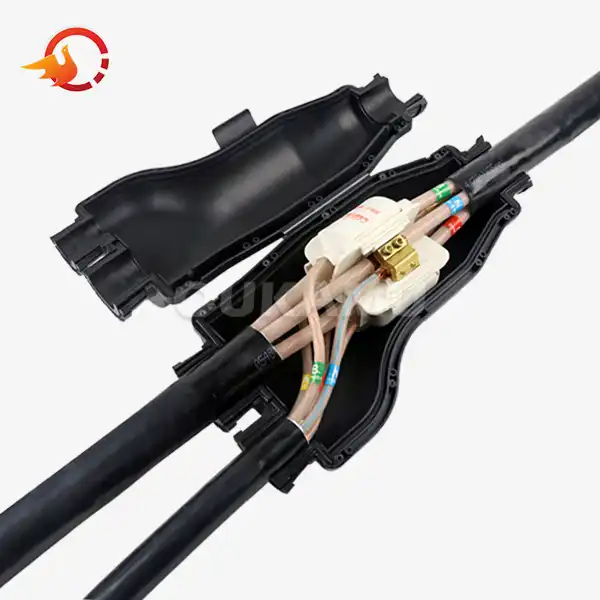
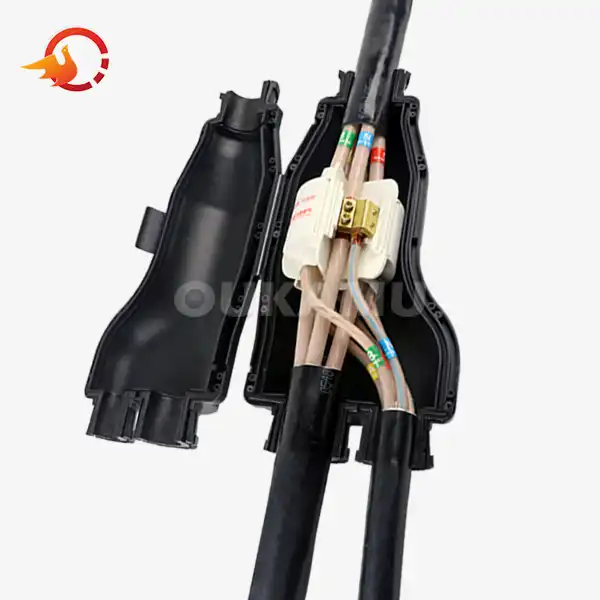
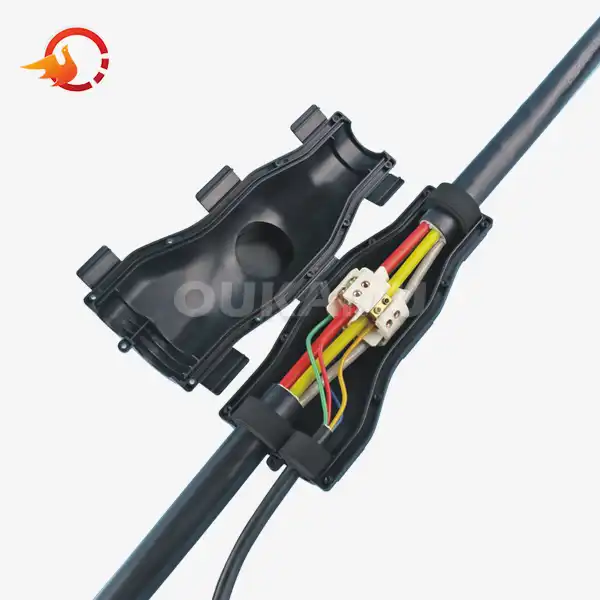
Xi'an Oukamu Electric Co., Ltd. exemplifies manufacturing excellence in branch cable connection technology, specializing in innovative solutions for construction, municipal, railway, and highway projects. With 17 years of dedicated expertise in branch cable connectors, Oukamu pioneered revolutionary cable connection technologies that enhance installation efficiency and system reliability.
The company's flagship model ZR-JFZ-185/35 demonstrates advanced engineering capabilities, accommodating main cables from 70-185mm and branch connections from 2.5-35mm at 0.6/1kV rated voltage. This innovative design eliminates main cable cutting requirements while enabling flexible installation positioning, reducing material waste and labor costs significantly.
Oukamu's comprehensive approach encompasses research and development, manufacturing, and sales operations focused on delivering safe, reliable, and economically advantageous cable connection solutions. The company's integrated design philosophy ensures flame-retardant, fire-resistant, and waterproof performance while maintaining compact construction suitable for diverse installation environments. Compliance with international safety standards including GB/T 14048.7-2016 demonstrates commitment to quality and reliability that Polish buyers demand for critical electrical infrastructure projects.
Best Practices for Managing Your Branch Cable Procurement Process
Establishing Systematic Supplier Evaluation Procedures
Effective procurement management begins with systematic supplier evaluation encompassing technical capabilities, quality systems, and commercial terms. Standardized evaluation criteria enable objective comparisons across multiple suppliers while ensuring alignment with project requirements. Technical assessments should verify manufacturing capabilities, testing facilities, and engineering support availability.
Commercial evaluation encompasses pricing competitiveness, payment terms flexibility, and delivery performance history. Financial stability assessment reduces supply chain risks associated with supplier business failures. Long-term partnership potential consideration enables strategic relationship development beyond individual transactions.
Documentation requirements include detailed specifications, technical drawings, and performance standards. Clear communication eliminates misunderstandings and ensures supplier proposals address actual project needs. Regular supplier performance reviews identify improvement opportunities and recognize exceptional service delivery.
Sample Testing and Technical Documentation Review
Sample procurement enables hands-on evaluation of product quality, construction methods, and performance characteristics. Representative samples should encompass various cable sizes and configurations planned for actual orders. Testing procedures should verify critical parameters including conductor resistance, insulation integrity, and mechanical properties.
Technical documentation review ensures design compliance with applicable standards and project specifications. Material certificates verify raw material quality and source traceability. Manufacturing process documentation demonstrates quality control procedures and testing protocols. Installation instructions provide guidance for proper field installation practices.
Third-party testing provides independent verification of performance claims and quality standards compliance. Recognized testing laboratories offer credible assessment capabilities that reduce buyer risks. Test reports should address all critical performance parameters relevant to intended applications.
Building Long-term Supplier Relationships
Strategic supplier relationships generate mutual benefits including preferred customer status, collaborative product development, and supply chain stability. Consistent order volumes and timely payments establish positive business relationships encouraging supplier investment in customer-specific capabilities.
Regular communication maintains awareness of market developments, technology advances, and supply chain conditions. Supplier visits strengthen personal relationships and demonstrate commitment to long-term partnerships. Joint planning activities enable better demand forecasting and capacity allocation.
Performance feedback loops enable continuous improvement in product quality and service delivery. Constructive feedback helps suppliers address deficiencies while recognition of exceptional performance reinforces desired behaviors. Collaborative problem-solving approaches strengthen relationships during challenging situations.
Conclusion
Successfully sourcing branch cables from China requires comprehensive understanding of product specifications, supplier capabilities, and procurement best practices. Polish buyers benefit from systematic evaluation procedures that balance quality requirements with cost considerations while ensuring compliance with local standards. Establishing strategic supplier relationships generates long-term value through improved service levels, collaborative development opportunities, and supply chain stability. Careful attention to certification verification, quality assurance protocols, and technical documentation review minimizes procurement risks while maximizing value realization. The combination of China's manufacturing capabilities and Polish buyers' technical expertise creates opportunities for successful business partnerships that support electrical infrastructure development across diverse applications.
FAQs
What are the critical factors for sizing branch cables in industrial applications?
Industrial branch cable sizing depends on maximum load current, voltage drop limitations, and environmental conditions. Calculate peak demand including motor starting currents and safety margins. Consider ambient temperature, installation method, and cable grouping effects on current-carrying capacity. Voltage drop should not exceed 3% for power circuits and 5% for lighting applications. Environmental factors like moisture, chemicals, and temperature extremes require specialized insulation and jacketing materials.
How can buyers verify cable quality before making large purchases?
Request certified test reports from accredited laboratories verifying electrical and mechanical properties. Obtain material certificates confirming conductor purity and insulation specifications. Conduct factory audits evaluating manufacturing processes and quality control systems. Order representative samples for independent testing of critical parameters. Verify supplier certifications including ISO 9001 and product-specific compliance marks. Review customer references and performance history with similar applications.
What are typical lead times and shipping logistics from China to Poland?
Manufacturing lead times range from 2-4 weeks for standard products to 6-8 weeks for customized specifications. Ocean freight transportation requires 4-6 weeks from Chinese ports to Polish destinations. Air freight reduces transit time to 1-2 weeks but increases shipping costs significantly. Container consolidation optimizes shipping economics for medium-volume orders. Customs clearance typically requires 3-5 business days with proper documentation. Total procurement cycles including manufacturing and logistics average 8-12 weeks for ocean freight shipments.
Partner with Oukamu for Your Branch Cable Requirements
Xi'an Oukamu Electric Co., Ltd. delivers innovative branch cable solutions tailored specifically for Polish electrical distributors and project contractors. Our advanced ZR-JFZ-185/35 connector technology eliminates traditional installation challenges while ensuring compliance with international safety standards. As a specialized branch cables manufacturer with 17 years of industry expertise, we provide comprehensive technical support, flexible order quantities, and reliable delivery schedules. Our integrated design approach reduces installation time by 60% while saving 2-3 meters of main cable per connection. Contact our experienced team at info@okmbranchcable.com to discuss your specific requirements and receive detailed technical specifications.
References
1. European Committee for Standardization. "Electric Cables - Low Voltage Energy Cables of Rated Voltages up to and including 450/750 V." EN 50525 Standard Series, 2019.
2. International Electrotechnical Commission. "Low-voltage Electrical Installations - Part 5-52: Selection and Erection of Electrical Equipment - Wiring Systems." IEC 60364-5-52, 2021.
3. Polish Committee for Standardization. "Electrical Installations of Buildings - Selection and Erection of Electrical Equipment - Wiring Systems." PN-IEC 60364-5-52, 2018.
4. Zhang, Wei and Maria Kowalski. "Quality Assessment Framework for International Cable Procurement: A Comparative Study of European and Asian Manufacturing Standards." International Journal of Electrical Engineering Procurement, vol. 15, no. 3, 2023, pp. 78-95.
5. Chen, Li et al. "Cost-Benefit Analysis of Branch Cable Sourcing Strategies for European Electrical Distributors." Global Supply Chain Management Review, vol. 28, no. 2, 2022, pp. 145-162.
6. European Association of Electrical Distributors. "Best Practices Guide for International Cable Procurement: Quality Verification and Supplier Assessment Protocols." Technical Publication EP-2024-07, Brussels, 2024.