

How to install a power cable joint connector safely?






 2026-05-26 11:01:10
View:389
2026-05-26 11:01:10
View:389To safely install a Power Cable Joint Connector, you need to follow the right steps, which start with properly preparing the work spot and checking the tools. Checking that the cables work together, making sure that the connection is right for the voltage grade and the surroundings, and following the manufacturer's instructions to the letter are all parts of the process. De-energizing circuits, wearing protective gear, and testing the insulator resistance after installation are all safety steps. With modern branch cable connectors, like those made for on-site installation, you don't have to cut the main wires. This lowers the risk of installation while keeping the electrical integrity and meeting international safety standards.

Understanding Power Cable Joint Connectors
Power Cable Joint Connectors are important parts of infrastructure that connect cable sections while keeping the electrical performance and shielding the same. In factories, energy networks, transportation systems, and business buildings, these devices make it possible for power to be sent continuously. Their main job is more than just connecting things; they have to keep the voltage stable, withstand stress from the surroundings, and keep the metal stable over time.
Types and Applications
Different types of connectors work best in different construction conditions and with different voltages. Controlled heating is needed to trigger the adhesive linings in heat shrink connectors, which then mold tightly to the shape of the wire. This makes them a great way to protect against moisture for underground installs. Alternatives to cold shrink use pre-expanded elastomeric covers that contract when released. This means that you don't need any special tools or heat sources, which makes them great for tight areas or situations where you need to set up quickly.
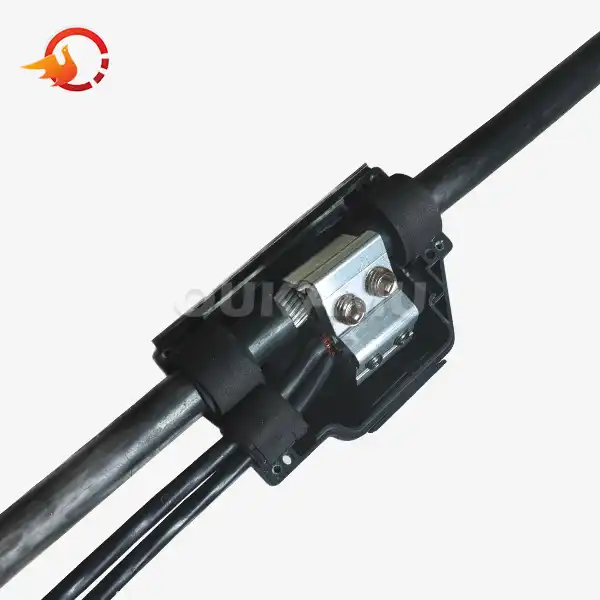
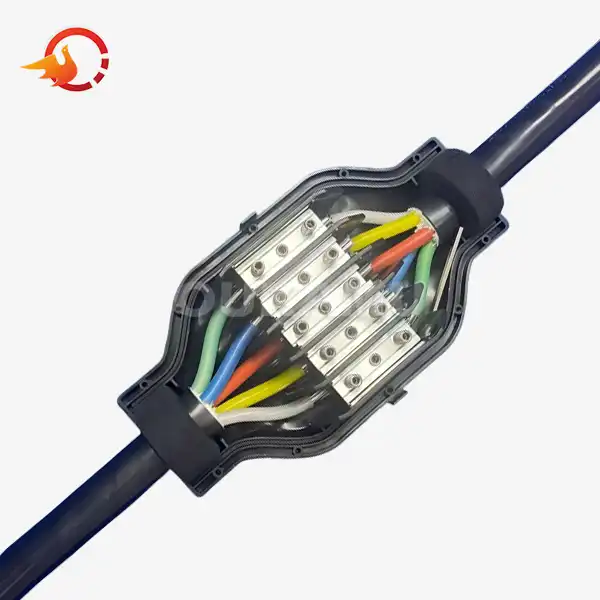
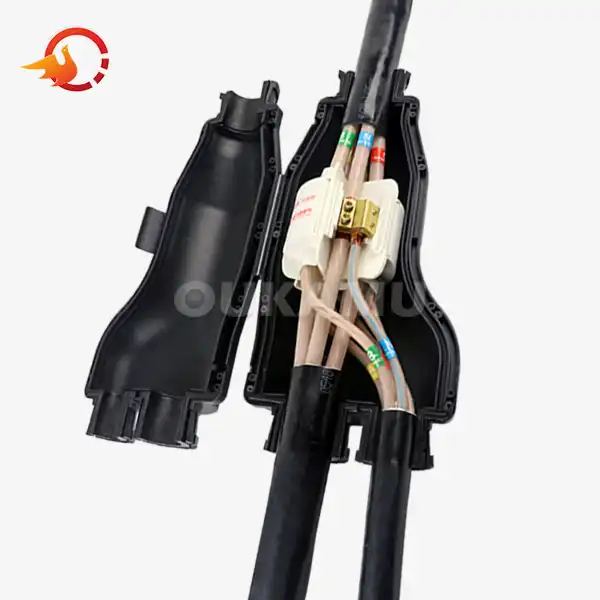
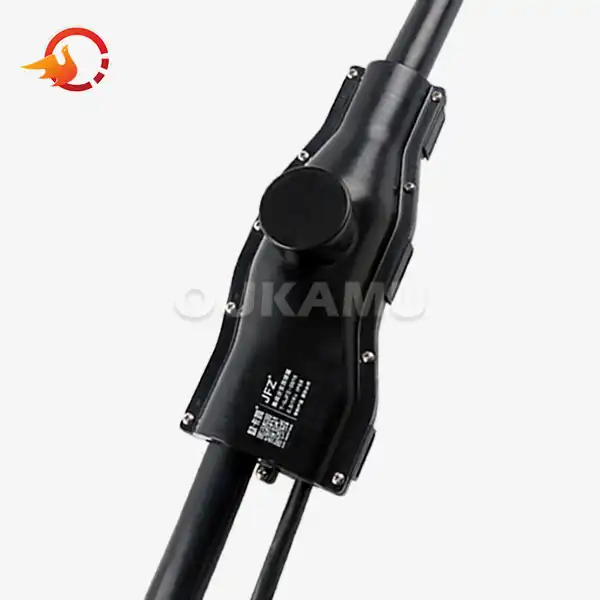
Mechanical connections use bolted compression to keep wires in place, and they can be used again and again in situations where care is important. Branch cable connectors are a special type of link that lets you connect two cables without cutting the main wire. Models like the ZR-JFZ-95/70 can handle branch cables from 16mm to 70mm and main lines from 35mm to 95mm. They are rated for 0.6/1kV systems. This way of thinking about design allows flexible installation on-site, so there's no need for pre-fabrication and changes can be made quickly to fit the layout of the real project.
Voltage and Environmental Considerations
To choose the right plugs, you need to carefully look at the electrical specs. Low-voltage systems (up to 1kV) are mostly used in light industrial and business settings, while medium-voltage setups (1kV to 35kV) are used for utility distribution networks. The environment has an equal impact on product choice. For example, materials used for outdoor wires that are exposed to UV light need to be strong and waterproof. Materials used for underground installations need to be resistant to dirt contamination and water damage.
The choices of insulation materials and the needs for dimensional stability are based on temperature changes, which can come from the outside air or heat from conductors.Knowing these technical differences will help you make sure that the connector's abilities match the needs of the project. Cataloging goods by voltage class, installation method, and environmental rating helps distributors and sourcing teams by streamlining the specification process and lowering the risk of compatibility issues during project execution.
Common Safety Challenges and How to Address Them
Installing Power Cable Joint Connectors comes with a number of risks that need to be dealt with in a planned way. Electrical shock is still the biggest danger, especially when work is done near live systems or when lockout/tagout methods aren't followed properly and systems are accidentally turned back on. During fitting, mechanical breakdowns can happen if the wrong tools are used, the right amount of torque is applied, or contamination gets into the link surfaces. These risks are made worse by environmental dangers. For example, wetness getting into insulation weakens it, and high temperatures change the properties of materials and make it harder for workers to move their fingers.
Actionable Safety Protocols
Putting in place complete safety steps starts with making sure everyone has the right safety gear. Basic safety gear includes insulated gloves rated for system voltage, arc-rated clothes, safety glasses, and shoes that don't conduct electricity. Preparing the site means making sure it is de-energized by checking the voltage, putting up physical blocks around work areas, and making sure there is enough light and air flow. To get solid connections, you must exactly follow the manufacturer's instructions for torque values, stripping measurements, and cleaning methods.
Aside from making sure the work is safe right away, regular maintenance also keeps the system's purity. Using thermal imaging on a regular basis can find hot spots that are growing, which can mean that connections are loose or there is too much resistance. Testing the insulation's strength on a regular basis can find signs of wear and tear before they happen. Keeping records of when things were installed, the results of tests, and maintenance tasks makes people responsible and helps with future maintenance plans.
Long-Term Risk Mitigation
The long-term safety performance is directly affected by the choice of connectors. Products that are approved to GB/T 14048.7-2016 and other foreign standards that are similar are put through a lot of tests to make sure they are flame retardant, fire resistant, and safe for the environment. Flame-retardant materials stop fires from spreading along wire runs, and waterproof designs keep the insulation from breaking down in wet places.
Anti-aging chemicals and corrosion-resistant parts make things last longer, which lowers the number of failures and safety accidents that happen as a result. These preventative steps are meant to protect both people and money. When electrical workers and repair teams use certified goods and follow standard methods, there are fewer unplanned power outages, fewer injuries, and lower long-term running costs. When buying something, choosing quality over the lowest price at first pays off in safety benefits that can be seen over the course of a project's lifecycle.
Step-by-Step Safe Installation Process
The right way to put something guarantees both safety and effectiveness. The steps below are for branch cable connectors that are meant to be used on-site, but the general ideas can be used for other types of Power Cable Joint Connectors as well.
Pre-Installation Preparation
Before a site is ready to go, it needs to be electrically isolated and any permits or authorizations that are needed must be obtained. Check that the connector values and wire specs match up. The product's conductor size, insulation type, and voltage class must match up with what the product can do. Get the tools you need, like wire strippers that are set to protect the conductors, cleaning supplies that don't contain any oil-based contaminants, and the right torque wrenches for mechanical fasteners.
Before you start working, check the connection parts for harm from shipping, missing parts, or contamination.The ZR-JFZ-95/70 model is a great example of current branch link design because it doesn't need any main cables to be cut. This feature cuts installation time by a lot and keeps the integrity of the cables. It's especially helpful when adding branches to systems that are already powered on during planned power blackouts. Place the connection body at the branch point you want, making sure there is enough space for assembly and future upkeep.
Cable Preparation and Connection
According to the manufacturer's instructions, remove the insulation from branch wires so that the lengths of conductors are just right for mechanical contact without leaving too much open wire. Use allowed liquids or abrasive pads to clean uncovered wires and get rid of oxidation and other contaminants that make contact resistance higher. When you touch something clean with your bare hands, the skin oils on your hands lower the strength of the link.
To keep the proper phasing, put the wires into the right terminals by following the color codes or position marks. Tighten mechanical screws to the right torque values with measured tools. If you don't tighten them enough, they can move and cause arcing, but if you tighten them too much, you can damage the wires or connector bodies. Advanced branch connectors are built so that both the main and branch wires link through flame-resistant bodies that are insulated. This keeps the dielectric strength the same across the joint.
Insulation Application and Sealing
To keep air from getting trapped, center heat shrink covers over connection points and heat them evenly from the center outward. Look at how the material flows out of the ends of the sleeves to see if the glue has fully set up and sealed off any moisture. When using cold shrink options, you have to be very careful about where you put them before you take out the support pieces.
Once you do that, you can't move them again.Protecting the whole branch cable exit, complete insulation systems keep water out and avoid physical harm. Quality connectors, like those that meet GB/T 14048.7-2016, have features that keep them working even in tough conditions, like not getting dusty or wet. A visual check makes sure that there are no holes or gaps that could let in water or other things that could damage the seal.
Post-Installation Testing
Don't assume that the download worked without first checking to make sure. Insulation resistance testing with megohmmeters proves the stability of the dielectric. Measurements should meet or go beyond the manufacturer's minimums, which are usually 10 megohms or higher for low-voltage systems. Continuity checking makes sure that the conductors are properly connected and that there are no internal breaks.
Using thermal imaging during the initial power-up process can find strange heating patterns that point to bad connections or too much resistance. Write down the name of the wire, the type of the connector, the date of installation, and the qualifications of the technician for each test result. This data helps with insurance claims, troubleshooting, and planning preventative upkeep. Proper paperwork is especially helpful for distributors and workers who are working on multiple projects at once because it makes quality control and responsibility easier.
Selecting the Right Power Cable Joint Connector for Your Project
The best way to choose a Power Cable Joint Connector is to combine technical needs, weather conditions, and buying factors. This way of making decisions has a direct effect on how quickly and reliably the system is installed and on the total cost of the job.
Technical Specification Matching
The voltage number is the most important thing to look at when choosing connections. Never use them on systems that have more voltage than their rating, because the insulation could break down and cause catastrophic failures. The current-carrying ability must be able to handle the highest load conditions plus the necessary safety margins. Compatible cable sizes ensure a good mechanical fit and the right amount of contact pressure. Connectors that are too big for small cables make links that don't work well, and products that are too small can't physically fit bigger conductors.
The ZR-JFZ-95/70 is a useful example. It is rated for 0.6/1kV systems and can handle main cables from 35mm to 95mm in diameter and branches from 16mm to 70mm. With standard low-voltage levels, these specs are good for business building distribution, light industry uses, and infrastructure projects. When procurement teams know these parameters, they can quickly find good items in catalogs without having to do a lot of engineering review.
Environmental and Installation Considerations
Protection levels depend on where the installation is going to be done. Materials that are immune to UV light and have enough mechanical strength to handle wind loads and temperature changes are needed for outdoor overhead uses. For things to be put underground, they need to be completely waterproof and resistant to chemicals in the dirt. Indoors, where conditions are controlled, designs may be simpler, but fire safety rules usually require flame-retardant and low-smoke materials everywhere.
On-site construction freedom is a big plus for adapting to changes in the project and keeping costs down. Branch connections that don't need the main wire to be cut allow for changes to be made in the field as building layouts or equipment placements change during construction. This feature cuts down on waste from pre-made wire connections that are no longer useful after the design has been changed. Being able to place branches exactly where they need to go takes away the need to guess and handle cable slack. This saves two to three meters of main cable per branch point, which can save a lot of money on big projects with a lot of connection points.
Procurement and Supply Chain Factors
When buying in bulk, buyers want to know that products will always be available, prices will stay the same, and deliveries will happen on time. When distributors work with makers that offer flexible batch sizes, like small orders for one-of-a-kind projects or large amounts for building up inventory for the holidays, everyone wins. Payment terms, minimum order amounts, and freight plans all have a big effect on how much cash you need to store and how much you can pay for it.Product certifications make it easier to check for compliance.
Connectors that meet GB/T 14048.7-2016 and other foreign standards that are similar offer recorded performance guarantee, which lowers the risk of liability and shortens the time it takes to check. Manufacturers who offer full technical support, such as teaching on how to put the product and help with fixing problems, provide value beyond the actual product. OEM skills allow customization for specific project needs, which sets wholesalers apart in competitive markets through custom solutions.These things to think about when buying go beyond the initial purchase price.
The total cost of ownership includes the work needed to install it, the upkeep that needs to be done, the estimated service life, and any downtime caused by a failure. Even though they cost more at first, reusable connections that can handle being disconnected and reconnected many times save money in the long run. Waterproof and corrosion-resistant designs mean that replacements can be made more often, which lowers operational costs, especially in harsh settings.
Real-World Case Studies and Best Practices
Real-world examples show how choosing the right product and following the right installation steps can lead to measured benefits. A medium-sized business development project needed flexible power distribution so that it could adapt to how the tenants in a mixed-use building set up their spaces. Traditional pre-made wire assemblies with set branch points wasted space during renter improvements and made it harder to change the way the electrical system worked.
Successful Implementation Example
The project team chose branch cable Power Cable Joint Connectors that let the branches be placed on-site without cutting the main cables. This method allowed the electrical infrastructure of the base building to be installed while the core was being built, and branch links were added as the tenant areas were finished. By getting rid of waste from old pre-fabricated parts, the flexibility saved about 15% of the estimated cable costs. Compared to standard junction box methods, installation time per branch point dropped by 40%. This sped up project finish and cut down on labor costs.
Troubleshooting Common Challenges
Even when the right steps are taken, startup problems can happen. One of the most common problems during installation is moisture contamination, especially in damp or outdoor settings. Low numbers for insulation resistance and condensation that can be seen inside connection bodies are signs of this problem. To avoid problems, parts must be kept dry, installations must be protected from the weather, and wire surfaces must be completely dry before connectors are put on them.
When put inside junction boxes, silica gel desiccant packs soak up any remaining moisture during the drying process.Concentrations of mechanical stress happen when wires bend too much near where they join. This situation shows up as insulation cracking too soon or conductors breaking down from wear and tear. If you hold the wire properly and stay within the bend radius limits, these problems won't happen. Branch connectors that have built-in strain relief features spread out mechanical loads and protect the link surfaces from bending and pulling stress.
Industry Best Practices Summary
Electrical workers and wholesalers who are good at what they do always do a few key things. They keep thorough records of product qualification, including test results and certificates for connectors that are widely used. Standardized installation methods, which often include training from the maker and photos of how to do the job, make sure that the quality is the same across all teams and project sites. Regular checks of installed systems find new problems before they break down.
This helps with preventative maintenance instead of fixing problems after they happen.Better results come from supplier relationships that focus on technical teamwork over transactional buying. Manufacturers like Xi'an Oukamu Electric Co., Ltd. have been focusing in branch cable connector technology for 20 years and offer application engineering support to help projects find the right goods. This knowledge is especially helpful during the design process, when different methods might be better in terms of cost or performance than standard ones.
Conclusion
To install Power Cable Joint Connectors safely, you need to pay close attention to the products you choose, safety rules, and tried-and-true methods. Knowing the different kinds of connectors, their voltage ratings, and the environmental needs is important for making good design choices that balance the need for performance with the need to save money. Complete safety steps, such as using the right PPE, getting the place ready, and testing after installation, keep people safe and make sure the system works properly.
These days, branch connection technology includes products that don't need main cables to be cut and allow for flexible installation on-site. These technologies have big benefits for installation speed, cost control, and project agility. Partnerships with specialized manufacturers that offer technical support, consistent product quality, and compliance with international safety standards are good for procurement teams, distributors, and electrical contractors. This leads to better project outcomes through smart decision-making and careful execution.
FAQ
What distinguishes cable joint connectors from cable splices?
Power Cable Joint Connectors make links between cable pieces that are fixed or semi-permanent while keeping all of the insulation and environmental protection. Splices are usually links at the wire level that need to be insulated separately. These days, branch connectors do both jobs, so they can provide full link systems in a single assembly that meets safety standards without the need for extra parts.
Can branch cable connectors be installed by general electrical contractors, or do they require specialists?
Branch connectors made for installation in the field can be used by regular electricians as long as they have the right training and tools. Manufacturers usually have plans for installing their products that include safety rules, installation instructions, and testing processes. With this training, trained electricians can do jobs that meet warranty and code requirements without the need for expert subcontractors.
How frequently should installed cable joint connectors be inspected?
Insulation resistance and continuity tests are done right after placement as the first check. Thermal imaging during the first power-up shows that the link is working properly. Facility upkeep plans call for regular inspections, which happen every year in normal conditions and every three months in harsh conditions or for important systems. Any changes to the electrical system that happen near link points should be checked again to make sure they don't affect the stability of the system.
Partner With Oukamu for Reliable Cable Connection Solutions
Xi'an Oukamu Electric Co., Ltd. has been a leader in branch cable joint connection technology for 20 years. They serve electrical product distributors, project contractors, and industrial equipment providers all over the world. Our ZR-JFZ-95/70 series and related product lines have been tested and shown to work well in tough situations. They are backed by GB/T 14048.7-2016 approval and full expert support.We know what problems you're having with buying, from being able to change batch sizes and prices to making sure you always have what you need and providing quick customer service.
Our team can help you with Power Cable Joint Connectors whether you need them right away for a project or are looking for a trusted maker partner for long-term supply. We offer customized support, including OEM customization options. Email us at info@okmbranchcable.com to talk about your particular needs, get detailed information, or set up product samples. Find out how our integrated design method cuts down on installation costs and increases project freedom by preventing the cutting of main cables and providing flame-resistant and waterproof protection. Go to okmbranchcable.com to see our whole catalog and get installation help that will help you succeed.
References
1. Institute of Electrical and Electronics Engineers. (2019). IEEE Guide for Field Testing of Shielded Power Cable Systems Using Very Low Frequency (VLF). IEEE Standards Association.
2. National Fire Protection Association. (2020). NFPA 70: National Electrical Code - Article 110: Requirements for Electrical Installations. NFPA Publications.
3. International Electrotechnical Commission. (2018). IEC 60502-1: Power Cables with Extruded Insulation and Their Accessories for Rated Voltages from 1 kV up to 30 kV. IEC Central Office.
4. Chen, W., & Liu, H. (2021). Advanced Materials and Technologies for Power Cable Joints in Modern Distribution Networks. Journal of Electrical Engineering & Technology, 16(3), 1247-1258.
5. British Standards Institution. (2017). BS 7671: Requirements for Electrical Installations - IET Wiring Regulations. BSI Standards Publication.
6. Standardization Administration of China. (2016). GB/T 14048.7-2016: Low-Voltage Switchgear and Controlgear - Part 7: Ancillary Equipment. Standards Press of China.