
Top Features of Durable Underground Cable Joints for Bulk Buyers






 2026-01-14 11:24:37
View:389
2026-01-14 11:24:37
View:389Underground cable Joint systems are important parts of infrastructure that make it possible for power to be reliably distributed across complicated electrical networks. For bulk buyers who are in charge of large-scale procurement operations, knowing the key characteristics of durability is important to ensuring long-term operating success. These specialized connection solutions have to work in harsh underground conditions while keeping the electricity working. Picking the right features is a strategic choice that affects both the short-term success of the project and the long-term costs of maintenance.
Introduction
Underground cable joints are important parts of power distribution systems because they keep the electricity flowing and provide good protection in a wide range of working conditions. Choosing long-lasting cable connection solutions is important for bulk buyers like engineering firms, distributors, and original equipment manufacturers who want to improve business efficiency and cut down on costly system downtime. This complete guide gives readers a clear picture of the features of durable cable joints, the different ways they can be installed, the rules that apply in the industry, and smart buying tips that help B2B customers around the world make smart buying choices.
This in-depth look at the topic gives procurement professionals the information they need to find high-quality, low-cost cable joint systems, whether they are choosing products for high-voltage areas or looking for reliable, long-lasting solutions for complicated infrastructure projects. The electrical infrastructure business needs solutions that are both technically perfect and cost-effective. This means that making smart choices during the selection process is very important for the success of the project.
Modern power distribution networks are getting more complicated, so they need connection options that can work in a variety of installation situations while still meeting performance standards. Knowing these requirements helps bulk buyers make good choices during the selection process, making sure that the products they buy meet both short-term project needs and long-term business goals.
Understanding Durable Underground Cable Joints
Core Functions and Applications
Durable cable connection systems are very important for underground installations because they connect and insulate power lines, keeping the electricity working and protecting them from different environmental stresses. These special parts make it possible for power to flow smoothly through complicated underground networks. They are used in everything from home distribution systems to large-scale industry uses.
Furthermore, the main goal goes beyond just making connections; it also includes full safety against water intrusion, chemical exposure, and mechanical stress, such as for underground cable joints. Soil chemistry changes, temperature changes, and physical damage from outside sources are some of the problems that come up in underground settings. For long-term dependability, it is important to have strong designs.
Key Types and Differentiation Factors
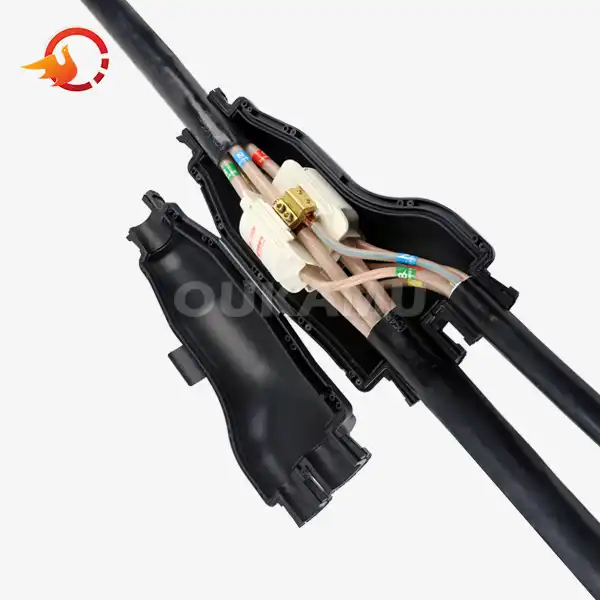
Cable link technology is divided into several separate groups, each with its own benefits for different uses. Thermal activation of heat shrink joints makes secure, waterproof seals around cable connections. These seals do a great job of keeping moisture out and keeping the cables stable. Alternatives to cold shrink use pre-stretched elastic materials that automatically contract during installation. This means that you don't need any special heating equipment and the closing performance is the same.
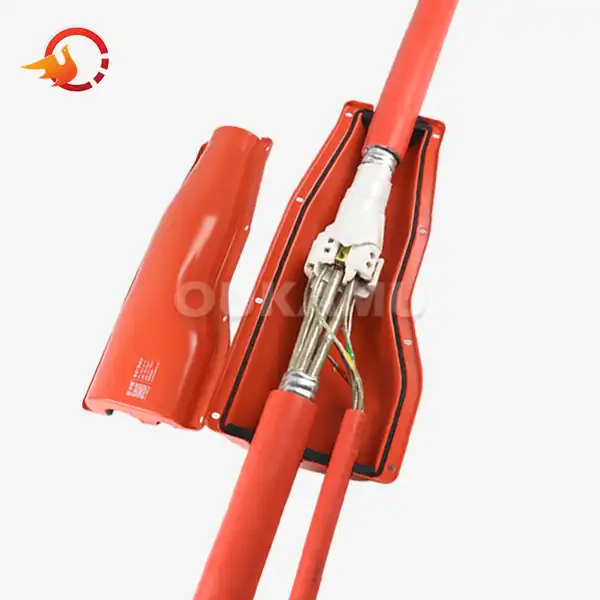
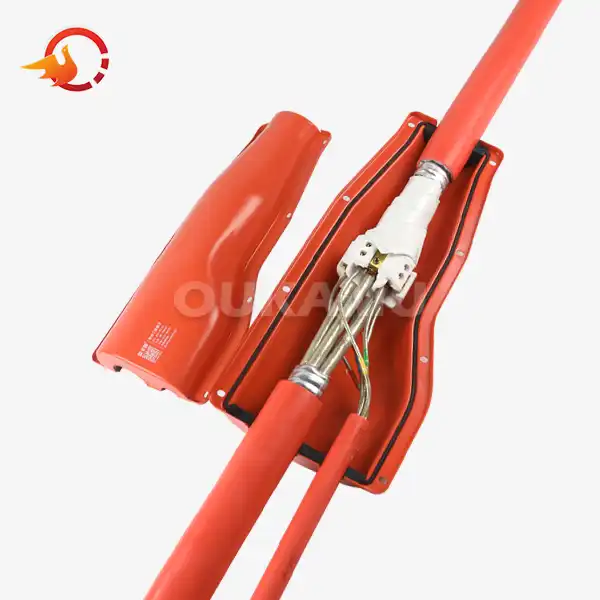
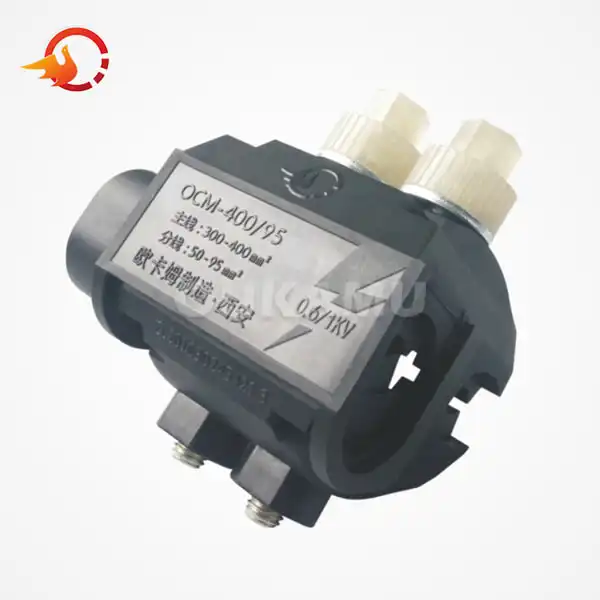
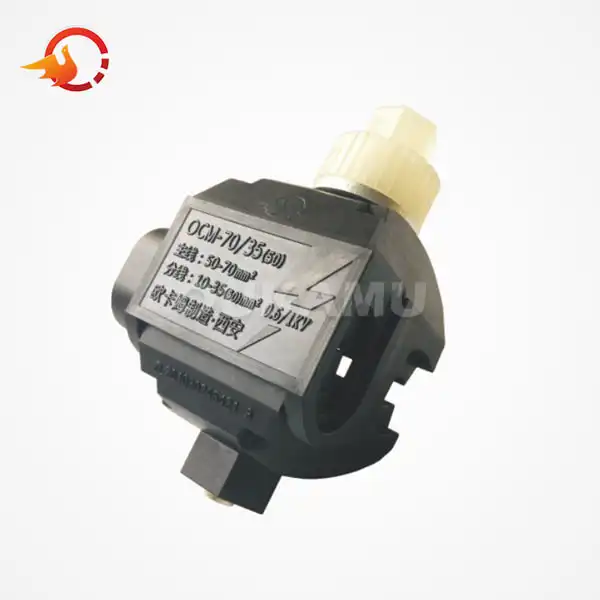
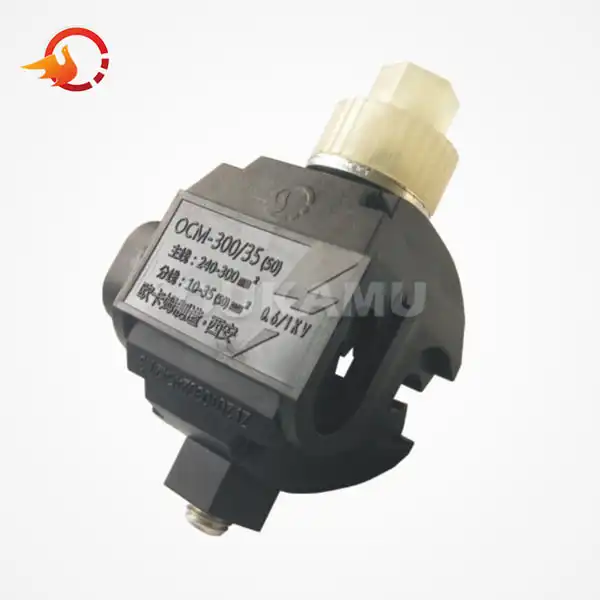
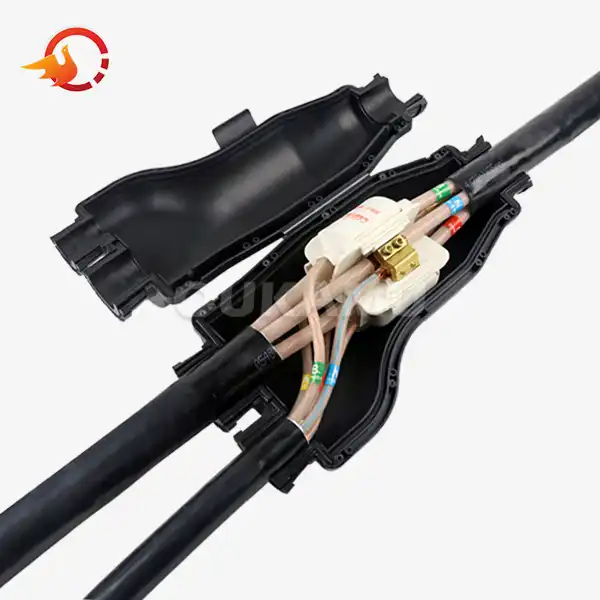
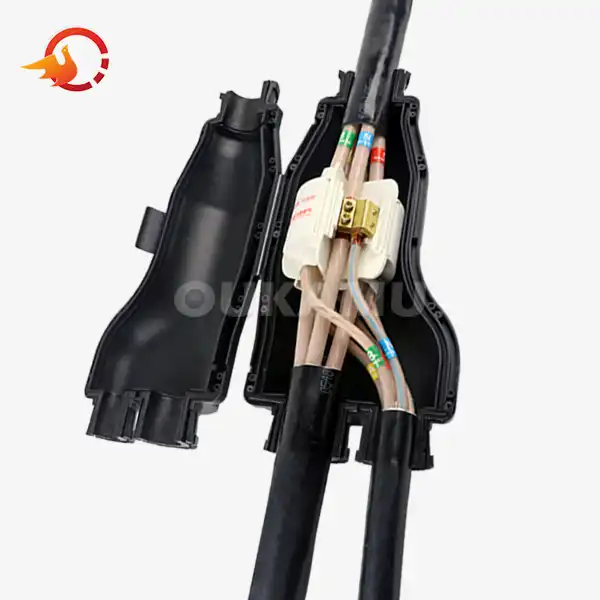
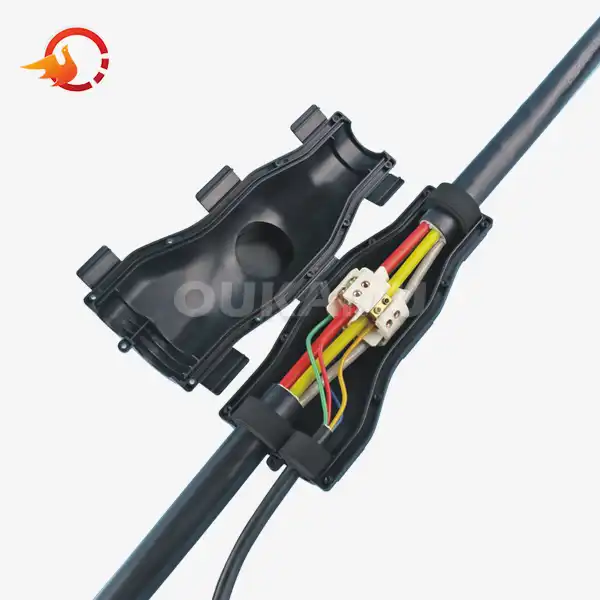
Branch connection systems are another important type because they let you route cables in different ways without affecting the structure of the main line. These solutions are especially useful in complicated distribution situations where normal link methods would need to cut a lot of cables or make changes to the system. This method is shown by the Xi'an Oukamu L-GJFZ-70/16 model, which can handle main lines from 25 to 70 mm and branch connections from 2.5 to 16 mm while still being waterproof to IP68 standards.
Standards Compliance and Material Selection
These goods are made to meet strict durability standards in markets around the world by following international standards like IEC and IEEE, as well as regional specifications. These standards cover a wide range of topics, from measuring electrical performance to testing for environmental resistance. They give buyers trust in the reliability of the product and its ability to meet government standards.
The choice of material is very important for determining how well something will work in the long run. In difficult underground conditions, corrosion-resistant materials, moisture-proof sealing systems, and UV-stable outer jackets make products last longer. Advanced gel-filled insulation technologies, like those used in Oukamu's branch connection systems, protect against moisture penetration on two levels while keeping electrical isolation even when the environment changes.
Top Features That Define Durability in Underground Cable Joints
Superior Waterproofing and Environmental Protection
Waterproofing is an important part of making sure that a cable connection lasts. High IP ratings and advanced sealing technologies protect against chemicals in the soil, water getting in, temperature changes, and UV radiation exposure during the installation process. Modern sealing systems use more than one type of barrier. They combine physical gaskets with chemically-resistant gel compounds to make layers of full security.
Chemical compatibility with a wide range of soil conditions is part of environmental defense that goes beyond basic moisture protection. Underground sites may have to deal with acidic soils, salt contamination, or exposure to industrial chemicals. Because of this, they need connection systems that can stay strong in these tough conditions. This important protection is provided by advanced polymer compounds and specialized coating technologies, which make sure uniform performance no matter what the local environmental factors are.
Mechanical Robustness and Installation Flexibility
When installing things in rough terrains or places with a lot of foot traffic, mechanical strength features like impact resistance, vibration tolerance, and structural flexibility are very important. Soil movement, building work, or the weight of infrastructure can put a lot of mechanical stress on underground cable systems. For long-term reliability, it is important to build them strong.
For bulk buyers who have to meet a wide range of project needs, installation freedom is especially important. There are big operational benefits to connection systems that can handle different cable sizes, multiple installation methods, and limited room. With Oukamu's branch technology, connections can be made without cutting main cables. This gets rid of possible weak spots and makes installation easier while also cutting down on waste.
Advanced Installation Technologies
Pre-designed installation kits cut down on mistakes that happen during field assembly and lower the number of times that upkeep needs to be done, which indirectly extends the life of the product as a whole. These all-inclusive packages come with all the parts you need, as well as full installation guides and quality assurance tools that make sure the installation goes smoothly across all project teams and locations.
Streamlining the installation process helps bulk buyers save money on labor, finish projects faster, and make sure everything is installed the same way every time. Technologies that get rid of the need for special tools or complicated setup steps make deployment faster while still keeping high standards for connections. This method works especially well for big jobs where the cost of the whole thing depends on how well the parts are installed.
Safety and Compliance Features
Certified fire resistance, arc flash protection, and strict safety testing methods improve operational reliability and make sure that safety standards are met as they change. These features keep installation workers and end users safe while also meeting stricter regulations in markets around the world.
Safety approval includes a number of tests, such as how well the product resists flame spread, how much smoke it makes, and how well it handles electrical faults. Buyers of large quantities can be sure that products that meet these thorough standards are safe, and the approval processes for these products are made easier across multiple countries. Advanced safety features also help keep insurance costs low and liability risks low for large-scale projects.
Bulk Buyers' Guide to Selecting the Best Durable Cable Connection Solutions
Compatibility and Technical Specifications
Bulk procurement decisions must consider comprehensive compatibility factors including cable types, voltage ratings, and specific application requirements to ensure optimal system integration. Connection systems supporting voltage ranges from low-voltage applications through medium-voltage distribution (such as 11kV systems) provide flexibility for diverse project portfolios while simplifying inventory management.
Technical compatibility extends beyond basic electrical specifications to encompass mechanical fit, environmental suitability, and installation method compatibility. Procurement teams benefit from standardizing on connection systems that support multiple cable types and installation scenarios, reducing inventory complexity while maintaining technical flexibility for diverse project requirements.
Performance Evaluation and Market Options
Mechanical, heat shrink, and cold shrink technologies are all used in the best connection options on the market. Each has its own set of performance characteristics that meet the needs of different applications. Mechanical connections work well with electricity and are easier to install. Heat and cold shrink choices, on the other hand, offer better sealing against the environment for tough installation conditions.
When judging performance, it's important to look at both the short-term installation needs and the long-term operational features, such as those for Underground cable joints. Total cost of ownership calculations help you choose the best product by taking into account things like electrical resistance, mechanical power, environmental protection, and maintenance needs. Comparative analysis across these performance factors helps people make smart choices that balance short-term costs with long-term benefits.
Supplier Evaluation and Brand Reliability
When buying in bulk, it's important to find a provider you can trust. Things to look at include their manufacturing capabilities, quality control systems, warranty support, and availability of after-sales service. Suppliers that have been around for a while and have worked on big projects before give you trust in the consistency of the products and the reliability of the supply chain, which is very important for big infrastructure projects.
When judging a brand, you should look at its technical skills, the quality of its products, and the level of service support that fits the size and complexity of the project. Suppliers who offer full technical support, installation training, and customization options add value beyond just supplying products, which helps the project succeed and ensures long-term operating satisfaction.
Best Practices for Installation, Testing, and Maintenance
Proper Installation Protocols
For the longest life and most reliable performance of a connection system, it is important to follow installation protocols that include properly preparing the spot and making adjustments to the environment. A full site inspection looks at the soil's condition, how well it drains, any barriers to access, and any possible interference factors that could affect how the installation is planned and the materials that are chosen.
Taking into account environmental factors means choosing building methods and materials that work best with the site's features. The choice of installation method is based on things like the chemistry of the soil, the amount of moisture in it, the temperature range, and any possible forms of mechanical stress. Long-term system dependability starts with properly preparing the site, which includes the right way to dig, the right bedding material, and safety measures.
Testing and Commissioning Procedures
Insulation resistance measurement and partial discharge diagnostics are two types of testing that make sure connections are solid before the system is turned on. This gives you faith in the quality of the installation and finds problems before they affect how well the system works. Comprehensive testing protocols check the performance of electrical, mechanical, and environmental factors in all important operating conditions.
Advanced diagnostic methods let you get a full picture of the quality of a connection, which helps you find ways to make it better and sets baseline performance standards for planning future maintenance. Regular testing plans help preventative maintenance methods that make systems last longer while lowering the chances of unexpected failures that could interrupt operations.
Maintenance and Monitoring Strategies
Scheduled checks and fault diagnosis as part of routine maintenance programs extend the life of services and improve safety for large users who manage underground cable networks. Proactive maintenance methods find problems as they start to appear before they affect the system's performance. This lets planned repairs be made with as little downtime as possible.
Routine visual checks and advanced diagnostic tests that show the state of the connection system and performance trends should both be part of monitoring plans. Keeping records of maintenance tasks and measurements of performance helps find the best maintenance times and gives useful information for making future decisions about purchases and improving system design.
Procurement Strategies for Bulk Buyers: Maximizing Value and Efficiency
Supplier Selection and Relationship Management
Successful bulk procurement relies on selecting reputable suppliers with demonstrated capabilities in large-scale project support, comprehensive warranty coverage, and responsive after-sales service organizations. Supplier evaluation should encompass manufacturing capacity, quality control systems, technical support capabilities, and financial stability that ensure consistent performance across extended project timelines.
Long-term supplier relationships provide advantages including preferred pricing, priority allocation during supply constraints, and collaborative development of customized solutions that address specific application requirements. Building these strategic partnerships requires clear communication of requirements, realistic expectations, and mutual commitment to project success and continuous improvement initiatives.
Cost Optimization and Value Engineering
Understanding comprehensive cost components enables optimization of procurement budgets through strategic leveraging of bulk order advantages and long-term volume commitments, including those for Underground cable joints. Total cost analysis should encompass initial product costs, installation expenses, maintenance requirements, and expected service life to accurately assess overall value propositions across different product options.
Value engineering approaches may include customized manufacturing requests tailored to specific project needs, enabling optimized performance characteristics while potentially reducing overall system costs. Collaboration with suppliers on specification optimization can yield significant improvements in both performance and cost-effectiveness while maintaining compliance with project requirements and industry standards.
Supply Chain Management and Risk Mitigation
Comprehensive supplier service integration including technical assistance, installation training, and ongoing support ensures seamless project execution while reducing risks associated with large-scale infrastructure deployments. Effective supply chain management encompasses inventory planning, delivery coordination, and contingency planning that maintains project schedules while minimizing disruption risks.
Risk mitigation strategies should address potential supply disruptions, quality variations, and technical support availability that could impact project success. Diversification of supplier relationships, strategic inventory management, and comprehensive qualification procedures provide protection against various risk scenarios while maintaining cost-effectiveness and performance standards.
Xi'an Oukamu: Pioneering Cable Connection Innovation
Xi'an Oukamu Electric Co., Ltd. is a leader in the development of cable connection technology. They do study, design, production, and sales of high-tech cable connection products. We have been focused on branch cable connection technology for more than 20 years, making us leaders in the field when it comes to coming up with new ways to meet the changing needs of modern electrical infrastructure projects.
Our wide range of products is centered around the innovative L-GJFZ-70/16 branch cable connector system, which is made to provide safe, reliable, and cost-effective ways to connect cables in building, government, railway, and highway settings. This new system can handle main cables from 25 mm to 70 mm and branch cables from 2.5 mm to 16 mm. It also offers better IP68 waterproof protection through advanced gel-filled insulation technology.
Our cable branch technology has many benefits, such as the ability to be installed in a variety of ways on-site without having to cut the main cables, an integrated design that combines safety and good looks, and a small size that makes it suitable for a wide range of installation settings. Our solutions save you money by reducing the number of cables you need, the amount of room your building needs, and the amount of work you have to do. They also last a long time because they protect against moisture, chemicals, and mechanical stress.
Xi'an Oukamu is deeply committed to quality control. Strict testing protocols are used at every stage of production to make sure that the highest safety and efficiency standards are always met. From choosing the materials to putting them together, our thorough quality management systems help us keep our reputation for excellence and give customers faith in the dependability and longevity of our products.
Conclusion
To choose long-lasting cable connection options, you need to know a lot about technical specs, environmental needs, and long-term operational factors that affect both the instant success of the project and the long-term dependability of the system. When buying in bulk, buyers should look at sellers' technical skills, quality control systems, and support services to make sure they meet their project's size and complexity needs.
Cable link technology keeps getting better at making solutions that work better, are easier to install, and don't cost too much. One example of this is underground cable joints. Xi'an Oukamu's new branch connection systems are a great example of this progress because they offer advanced technical features and meet the practical needs of modern electrical infrastructure projects in a wide range of settings and uses.
FAQ
What factors determine the lifespan of underground cable connection systems?
Durable cable connection systems typically achieve service lives exceeding 20 years when properly selected, installed, and maintained according to manufacturer specifications. Lifespan depends significantly on site-specific environmental factors including soil chemistry, moisture levels, temperature variations, and mechanical stress exposure. Quality installation practices and regular maintenance schedules contribute substantially to achieving optimal service life expectations.
How do different connection technologies compare in terms of installation requirements?
Heat shrink connections require thermal activation equipment to form secure seals, while cold shrink alternatives utilize pre-stretched elastic materials that contract automatically without specialized tools. Branch connection systems like Oukamu's L-GJFZ-70/16 eliminate main cable cutting requirements, reducing installation complexity while maintaining superior sealing performance. Each technology offers specific advantages depending on site conditions and project requirements.
What certifications should bulk buyers prioritize when selecting cable connection products?
Critical certification marks include IEC, IEEE, and UL standards that verify compliance with safety, waterproofing, and durability requirements. IP ratings indicate environmental protection levels, with IP68 representing the highest standard for underground applications. Fire resistance certifications, electrical performance standards, and regional regulatory compliance ensure product reliability and regulatory conformity across diverse markets and applications.
Partner with Oukamu for Superior Cable Connection Solutions
Xi'an Oukamu Electric delivers cutting-edge Underground Cable Joint systems engineered for exceptional reliability and operational efficiency across demanding applications. Our 20+ years of specialization in branch cable connector technology positions us as the preferred Underground Cable Joint supplier for bulk buyers seeking innovative solutions that combine technical excellence with cost-effectiveness
Connect with our technical experts today to explore customized procurement options, volume pricing advantages, and comprehensive project support services. Our proven L-GJFZ-70/16 systems and extensive product portfolio provide the foundation for successful infrastructure projects worldwide. Contact us at info@okmbranchcable.com to discuss your specific requirements and discover how our advanced cable connection technologies can optimize your next project's performance and value.
References
1. International Electrotechnical Commission. "Underground Cable Systems - Installation and Testing Guidelines." IEC Technical Report 62067, 2021.
2. Institute of Electrical and Electronics Engineers. "Standard for Underground Cable Joint Performance and Testing Methods." IEEE Standard 404-2020.
3. Cable Jointing Association. "Best Practices for Underground Cable Connection Systems in Industrial Applications." Technical Publication CJA-2023-01.
4. Underground Infrastructure Research Council. "Durability Assessment of Cable Joint Technologies in Harsh Environmental Conditions." Research Report UIRC-2022-15.
5. Electrical Safety Foundation International. "Underground Cable System Reliability and Maintenance Strategies." Safety Guidelines ESFI-UG-2023.
6. International Cable Joint Manufacturers Association. "Global Standards for Cable Connection Systems: Performance Requirements and Testing Protocols." Industry Standard ICJMA-2023-02.