

_1790150425011.webp)
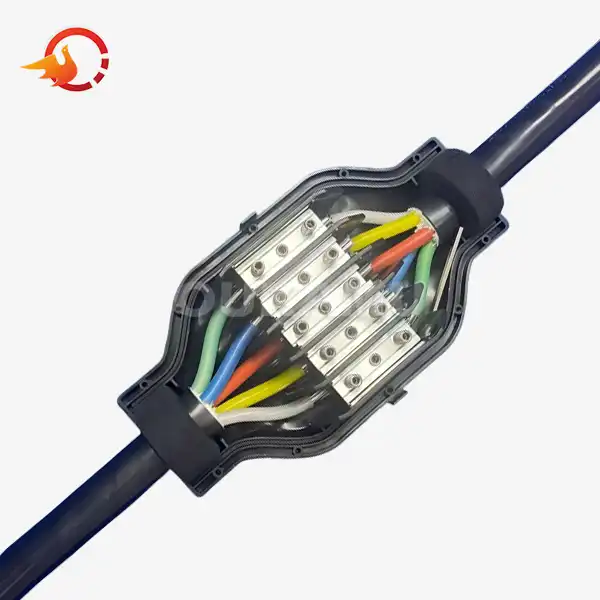
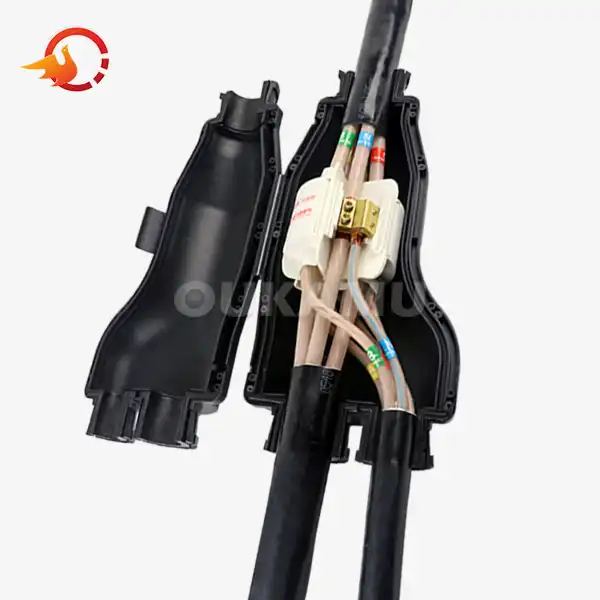
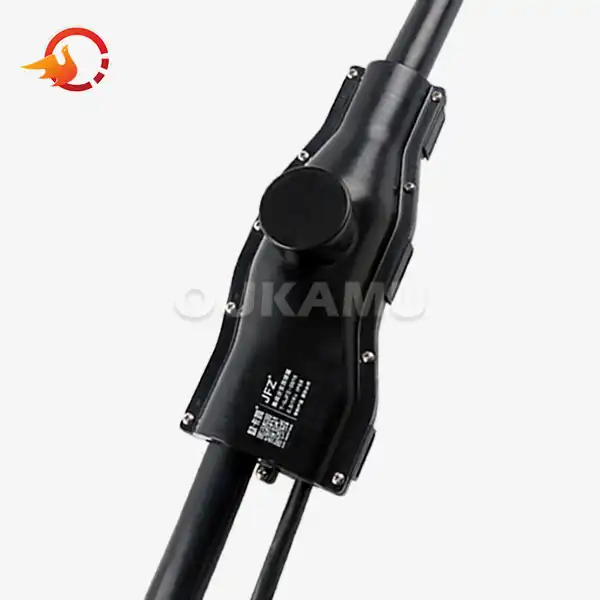
Waterproof junction box kits for tunnel electrical installations






 2026-07-10 17:12:29
View:389
2026-07-10 17:12:29
View:389For electrical installations in tunnels, it is necessary to keep connections safe from water and other environmental damage. A Tunnel Waterproof Junction Box is the most important thing that stands between your electrical systems and the harsh conditions that come with being underground. Protecting cable joints, branch connections, and wiring terminals from water, dust, and mechanical stress that could cause system failures, safety risks, and expensive downtime is what these special enclosures are for. For procurement managers and contractors in charge of tunnel projects, choosing the right waterproof junction solution means weighing the short-term cost with the long-term dependability of the system.

Understanding Tunnel Waterproof Junction Boxes
Inside a tunnel, there are special problems that regular electrical enclosures can't handle. Underground installations are constantly exposed to water, changes in temperature, and sometimes corrosive air conditions that need special protection.
Core Functions and Design Principles
Engineers make Tunnel Waterproof Junction Boxes for tunnel applications so that electrical connections are safe and protected. It's not just a matter of housing; these enclosures have to stay strong in wet conditions for a long time while still letting maintenance workers get in safely. Designs that work well use multiple layers of sealing mechanisms, materials that don't rust, and structural reinforcement to handle the physical demands of tunnel operations.
Modern tunnel junction boxes are made of high-tech materials like stainless steel, polycarbonate, and high-grade ABS. Each of these materials has its own benefits. Polycarbonate is very good at resisting impacts and staying stable in UV light, while stainless steel versions work really well in places where corrosion is a problem. The choice depends on the conditions of the tunnel, the amount of wear that is expected, and the budget.
IP Ratings and Protection Standards
When choosing Tunnel Waterproof Junction Boxes for tunnel installations, it's important to know about IP (Ingress Protection) ratings. If something has an IP65 rating, it completely blocks dust and water jets coming from any direction, making it good for many tunnel uses. But installations that might be submerged need to be rated IP67 or IP68, which ensure protection during immersion, whether it's for a short time or a long time.
Our products are protected to an IP>65 level, so they will work reliably even in the most difficult tunnel environments. This rating comes from thorough tests against both solid particles and water penetration, which gives procurement teams confidence in the product's long-term durability.
Customization for Tunnel-Specific Requirements
There are different space limitations, cable layouts, and electrical load needs for each tunnel project. Customizable Tunnel Waterproof Junction Boxes can handle different cable sizes, branch counts, and mounting arrangements. Being able to change the positions of branches on-site gets rid of the waste and lack of flexibility that come with pre-configured solutions. This lets installation teams adapt to real-world conditions instead of theoretical design specifications.
Comparing Tunnel Waterproof Junction Boxes with Other Junction Boxes
It's important for procurement professionals to know the differences between Tunnel Waterproof Junction Boxes so they can make smart choices.
Structural and Functional Differences
Standard junction boxes made for use inside or outside with protection don't have the sealing strength needed for long-term exposure to water. Even though underground junction boxes may be better at keeping water out, they don't always meet the specific needs of tunnel installations for ventilation, temperature control, and ease of access. Explosion-proof versions offer better safety in dangerous environments, but they usually add extra cost and installation difficulty for tunnels that don't have explosives.
Tunnel Waterproof Junction Boxes made just for tunnels are the best compromise. At points where cables enter, they have stronger seals, and waterproof locks are often used to protect and secure each opening. The integrated design stops the common failure points seen in solutions that were added later, where standard boxes aren't sealed properly after modifications were made.
Safety and Regulatory Compliance
Electrical installations in tunnels have to meet strict safety standards. Our products meet the requirements of GB/T 14048.7-2016 and other international safety standards. This makes sure that installations pass inspection and work reliably for as long as they are in use. Compliance goes beyond the enclosure and includes proper grounding. For example, our boxes have built-in pure copper grounding terminals that keep electricity safe without the need for extra parts.
Quality Features That Matter
Quality is more than just having better sealing technology. Installation difficulty has a direct effect on project timelines and labor costs. It's easier to install switches when Tunnel Waterproof Junction Boxes come with mounting options built in, like metal hanging plates and rail systems. Being able to work with different circuit protection devices, like 3P circuit breakers, 1P+N leakage circuit breakers, and 3P fuses, gives you options when designing the system and when making changes in the future.
Installation and Maintenance Guide for Tunnel Waterproof Junction Boxes
If you install a Tunnel Waterproof Junction Box correctly, it will provide the level of protection that was specified for its entire useful life.
Step-by-Step Installation Process
Careful site preparation is the first step in installation. The surface for mounting should be clean, stable, and set up so that water doesn't pool around the enclosure too much. In tunnel applications, you should never use top-entry cable configurations. Water flows downward, so even well-sealed top entries will eventually let water in. Entry points on the side or bottom, along with drip loops on the cables coming in, keep water away from connection points that could be damaged.
Make sure the mounting plate is firmly attached to the tunnel structure so it can support the weight of the enclosure and any cable loads that are expected. Run the cables through the designated entry points and use the waterproof locks to keep each one in place while the seal stays intact. Tighten locking mechanisms to the manufacturer's instructions. Tightening them too much can damage seals, and not tightening them enough leaves holes that let water in.
Use the grounding terminals to make all the necessary safety connections between the conductors inside the enclosure. Carefully close the enclosure and make sure that the waterproof mechanism between the top and bottom halves fits correctly. Any gaps or misalignments that can be seen weaken the whole system of protection.
Routine Inspection and Preventative Maintenance
Even the strongest Tunnel Waterproof Junction Boxes need to be checked every so often to keep working well. Set up a regular inspection schedule to check the condition of the seals, look for corrosion on metal parts, and make sure that the enclosure closures stay in place. Some parts of the tunnel may degrade faster than others because of the environment, so those parts need to be checked more often.
As part of preventative maintenance, sealing surfaces should be cleaned of any dust or debris that has built up, ground connections should be checked for continuity, and any damaged seals should be replaced right away. Quality junction boxes are designed to be used more than once. This means that they can be taken apart and put back together again without compromising protection.
Troubleshooting Common Issues
Finding moisture inside the enclosure means the seal is broken and needs immediate attention. Check for damage or improper seating in the cable entries, closure seals, and any mounting penetrations. Corrosion on the terminals could mean that the seal has failed or that there are problems with condensation. If this is the case, better ventilation or moisture-absorbing packets might help.
Most of the time, electrical problems that are traced back to Tunnel Waterproof Junction Box connections are caused by loose terminals instead of the enclosure failing. These problems can be stopped before they get worse and cause the system to fail by checking the torque on all electrical connections on a regular basis.
Procurement and Sourcing Strategies for Tunnel Waterproof Junction Boxes
Smart procurement strikes a balance between short-term project budgets and the total cost of ownership over the life of the installation.
Sourcing Options and Supplier Selection
When you buy Tunnel Waterproof Junction Boxes directly from experienced manufacturers, you can get better prices, technical support, and the ability to customize your order. Distributors offer a wider range of products and faster shipping for smaller orders, but they may limit your ability to make changes. When judging a supplier, you need to look at their track record in tunnel applications, their certification paperwork, their quality control methods, and their ability to provide support after the sale.
Suppliers who focus on cable connection solutions for infrastructure projects can help with a lot of different kinds of projects. Their knowledge from previous installations like this one can help you choose the right product, avoid common mistakes in specifications, and get help with the installation, which lowers the risk of the project.
Pricing Factors and Value Assessment
The quality of the material has a big effect on both the cost and the value over time. Lower-cost options that use bad plastics or sealants might meet initial budget goals, but they will cost more in maintenance and replacement costs before they're even worn out. Certifications cost more, but they are necessary to make sure that Tunnel Waterproof Junction Boxes meet safety and performance standards, which is something that can't be changed for tunnel installations.
Unit prices are greatly affected by the number of orders, so it is more cost-effective to consolidate purchases across multiple tunnel sections or project phases. But it takes careful planning to find the right balance between volume discounts, the cost of keeping inventory, and the needs of project phasing.
Bulk Ordering and Customization Capabilities
Building relationships with manufacturers that can make customized solutions on a large scale is helpful for big tunnel projects. Off-the-shelf products come with trade-offs that can't be avoided when you can customize the cable size ranges, mounting options, and protection ratings to fit your project needs. Manufacturers who have a history of customizing their products can change production to fit project timelines, which cuts down on inventory needs and the costs that come with them.
Value-Driven Insights: Why Choose Quality Tunnel Waterproof Junction Boxes for Your Projects?
Buying high-quality Tunnel Waterproof Junction Boxes pays off in a big way: they require less maintenance, last longer, and make things safer.
Long-Term Operational Benefits
Quality Tunnel Waterproof Junction Boxes reduce the number of unplanned maintenance tasks that need to be done, which can stop the tunnel from working and cost a lot for emergency service. Over years of use, it becomes clear that a properly specified and well-installed product is different from a mediocre one. Major tunnel installations that put quality protection systems first have much lower failure rates and longer maintenance intervals than projects that chose based only on cost at the start.
This value proposition is shown by the Oukamu Model ZR-JFZ-70/35. This solution is made to work with branch cables in tough conditions. It can handle main cables from 25 mm to 70 mm and branch cables from 2.5 mm to 35 mm without having to cut the main cable. This feature alone saves two to three meters of main cable per installation, cuts down on work time, and gets rid of the problems that come with pre-measured cable runs.
Emerging Technology and Innovation
Modern sealing methods use more than one barrier layer made of different materials. This creates redundancy that keeps protection even if one layer breaks. Some manufacturers include monitoring features that let maintenance teams know when a seal fails or there are problems inside that need to be fixed. This lets them take action before the problems get worse.
Flame-retardant and fire-resistant materials add another layer of safety in tunnels, where fire safety is very important. These materials keep Tunnel Waterproof Junction Boxes from spreading fires and keep the structure strong long enough for emergency workers to get to the scene, which improves the overall safety of tunnel systems.
Strategic Advantages of Reliable Solutions
Installing things that meet international safety standards and certifications like GB/T 14048.7-2016 makes sure that they work as needed in many places. This is especially important for contractors who are working on a lot of different projects or who want to grow into new markets where showing that they follow the rules can lead to more opportunities.
Keeping downtime to a minimum may be the most important strategic advantage. When the electrical system goes down for an hour, it costs money because tunnel operations bring in money or keep important infrastructure running. Reliable Tunnel Waterproof Junction Box solutions that almost never fail without warning protect the economics of a project throughout its entire operational lifecycle.
Conclusion
For electrical installations in tunnels, choosing the right Tunnel Waterproof Junction Box solutions means balancing technical requirements, cost, and long-term operational needs. Ratings for protection, the quality of the materials, the flexibility of the installation, and the supplier's skills all affect the success of a project. Even though they might cost more at first, products made just for tunnel use, with features like adjustable branch positioning, advanced sealing technology, and compliance with international standards, are worth every penny. The Model ZR-JFZ-70/35 shows how customized solutions can help with real-life installation problems while cutting down on waste and work. Professionals in procurement who put quality and application-appropriate design first make sure that installations work reliably, require little maintenance, and protect both infrastructure investments and operational continuity over long service lives.
FAQ
What IP rating is necessary for tunnel waterproof junction boxes?
More often than not, tunnel installations need at least IP65 protection, which keeps dust out and water out from any direction. For projects that might be submerged, IP67 or IP68 ratings should be given. Our Tunnel Waterproof Junction Boxes are more durable than IP65 standards, so they protect you well in a variety of tunnel conditions while still being easy to get to for maintenance work.
Can junction boxes be customized for specific tunnel designs?
Of course. Some of the customization options are cable sizes, mounting configurations, and the ability to move branches around. You can't say enough good things about on-site branch positioning—it gets rid of the waste that comes with pre-configured systems and adapts to real installation conditions instead of theoretical designs. This flexibility is very useful in tunnels with complicated shapes.
What are typical lead times for bulk junction box orders?
Lead times depend on the number of orders, the level of customization needed, and the current production schedule. Standard configurations usually ship in two to three weeks, while customized Tunnel Waterproof Junction Box solutions might take four to six weeks. Getting materials on time for installation teams is easier if you plan your purchases early in the project timeline and stay in touch with your suppliers.
Partner with Oukamu for Your Tunnel Electrical Protection Needs
It has been twenty years since Xi'an Oukamu Electric Co., Ltd. has been specializing in cable connection solutions for tough infrastructure uses. As a reputable Tunnel Waterproof Junction Box manufacturer, we know the unique problems that tunnel projects bring up and make sure that our products will protect you for a long time, even in the worst conditions. Our Model ZR-JFZ-70/35 shows how committed we are to new ideas. It provides reusable, flame-resistant, and waterproof protection, as well as the ability to change branch positions on-site. These features directly lead to lower material costs, faster installation, and better long-term reliability. Contacting our technical team at info@okmbranchcable.com is a great way for procurement managers, project engineers, and distributors to talk about your specific tunnel electrical needs.
References
1. National Electrical Manufacturers Association. (2021). Standards for Electrical Enclosures: Protection Classifications and Testing Protocols. NEMA Publications.
2. Institute of Electrical and Electronics Engineers. (2020). Guidelines for Underground and Tunnel Electrical Installations. IEEE Infrastructure Standards Series.
3. International Electrotechnical Commission. (2019). Degrees of Protection Provided by Enclosures (IP Code). IEC 60529 Standard Documentation.
4. Thompson, R., & Martinez, L. (2022). Cable Management Systems in Transportation Infrastructure: Design and Implementation. Engineering Press International.
5. Zhang, W., Chen, Y., & Liu, H. (2023). Waterproofing Technologies for Harsh Environment Electrical Systems. Journal of Industrial Electrical Applications, 45(3), 178-195.
6. Building Safety Council. (2021). Electrical Safety Requirements for Underground Construction Projects. BSC Technical Guidance Series.